
Have you ever wondered why something as seemingly harmless as a Berkey water filter is banned in California? If you’re someone who prioritizes clean, safe drinking water for your home, this might come as a shock.
After all, Berkey is known for its high-quality filtration systems that remove harmful contaminants. So, what’s the real story behind this ban? Is it about safety, regulations, or something else entirely? We’ll uncover the surprising reasons why Berkey water filters aren’t allowed in California and what it means for you as a consumer.
Whether you’re considering buying a Berkey or just curious about what’s going on, keep reading—you’ll want to know the facts before making your next move.
Credit: qualitywaterlab.com
Berkey Water Filters And Their Popularity
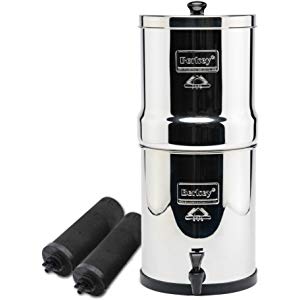
Berkey water filters have become a household name in water purification. Known for their ability to remove contaminants, they are trusted by many. These filters are designed to provide clean, safe drinking water efficiently. Their reputation has grown due to their performance and durability.
Families, campers, and survivalists often praise Berkey filters for their reliability. They are commonly used in homes, outdoor adventures, and emergency situations. The filters require no electricity, making them convenient for various uses. Their sleek design and ease of use also add to their appeal.
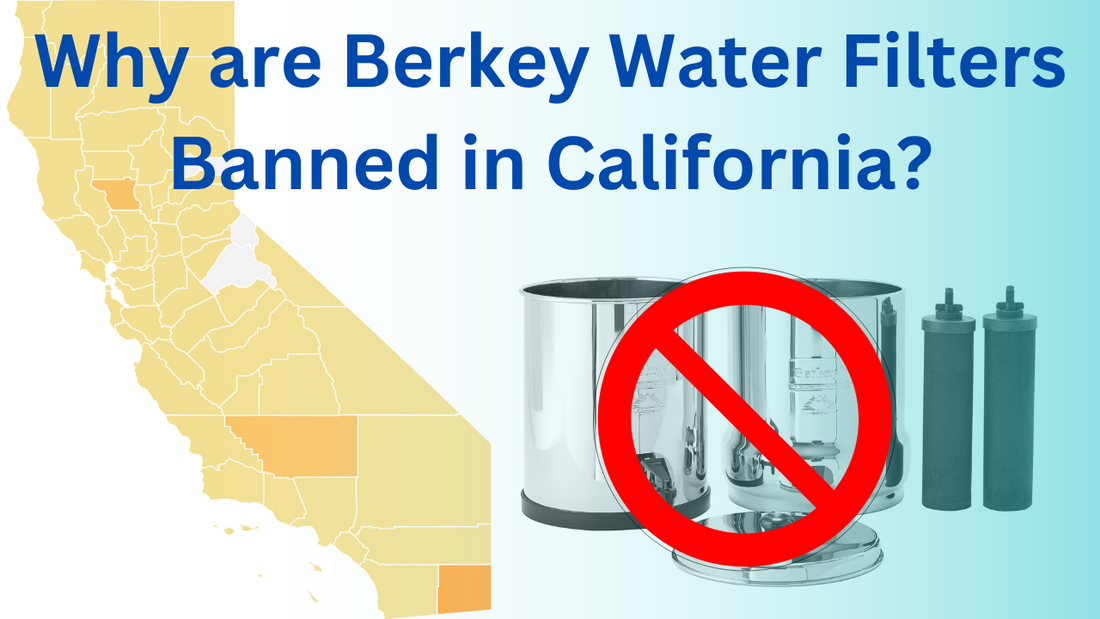
Despite their popularity, these filters have faced legal restrictions in certain regions. California, in particular, has banned their sale. This surprising decision has left many users curious about the reasons behind it.
Why Are Berkey Filters So Popular?
Berkey filters are well-known for their superior water purification capabilities. They can remove bacteria, viruses, and heavy metals from water. This makes them a reliable choice for ensuring safe drinking water. Their filtration process is thorough, yet the filters remain simple to use.
Another reason for their popularity is their long-lasting filters. Unlike other brands, Berkey filters require less frequent replacement. This feature makes them cost-effective over time. Many users appreciate the value they provide.
The filters are also portable, which adds to their versatility. You can use them at home, while traveling, or during outdoor activities. Their ability to function without electricity is another strong selling point.
How Do Berkey Filters Compare To Other Brands?
Berkey filters often outperform other water filtration systems in independent tests. They remove more contaminants than many competing brands. This has earned them a loyal customer base.
Other brands may rely on electricity or frequent filter changes. Berkey filters stand out for their simplicity and efficiency. Their gravity-fed design is both effective and eco-friendly.
Users often highlight the taste improvement in water filtered by Berkey. Compared to tap water or other systems, the difference is noticeable. This has made them a favorite among health-conscious individuals.
What Sets Berkey Filters Apart?
The unique filtration system of Berkey filters is a key differentiator. Their Black Berkey elements are designed to remove a wide range of contaminants. These include bacteria, viruses, pesticides, and even fluoride (with an additional filter).
Unlike many filters, Berkey systems do not strip water of essential minerals. They maintain the natural balance of the water while purifying it. This feature appeals to those seeking healthy and clean water.
Another factor is their durability. Berkey filters are built to last for years with proper care. This makes them a practical investment for many households.
California’s Water Filtration Standards
Have you ever wondered why certain products that seem universally loved are banned in specific places? California’s strict water filtration standards are a prime example. These standards are meant to ensure public health and safety, but they can also lead to some surprising restrictions.
California takes water quality seriously. The state has rigorous laws governing the testing and certification of water filtration systems. While this is great for ensuring clean drinking water, it can also pose hurdles for manufacturers like Berkey. Let’s dive deeper to understand.
Why Are California’s Standards So Strict?
California sets the bar high when it comes to public health. Water filtration systems sold in the state must meet strict requirements outlined by the California Department of Public Health (CDPH). These regulations are designed to protect you from contaminants like lead, arsenic, and bacteria. Visit Are Hexclad Knives Good: Unveiling Their True Quality.
However, the process isn’t simple. Manufacturers are required to go through expensive testing and certification processes. Without CDPH approval, even high-quality systems like Berkey can’t be legally sold in California. This raises a question: are the standards too rigid?
What Makes Berkey Filters Non-compliant?
Berkey water filters are widely praised for their ability to remove a broad range of contaminants. But in California, their lack of state-specific certifications makes them non-compliant. It’s not that Berkey filters are unsafe; they just haven’t undergone California’s costly testing requirements.
Ironically, many users trust Berkey filters precisely because of their proven performance. But without the CDPH stamp of approval, you’ll have to look for alternatives if you live in California.
Can You Still Use Berkey Filters In California?
Here’s the catch: although you can’t buy Berkey filters directly in California, owning and using one isn’t illegal. Many residents purchase them online or from neighboring states. It’s a loophole that allows you to enjoy clean, filtered water without breaking any laws.
If you’re considering this route, keep in mind that California’s standards exist for a reason. Always weigh the pros and cons of using uncertified products. Would you trust a product without state approval, even if others swear by it?
Are California Standards Helping Or Hurting Consumers?
California’s strict filtration standards undoubtedly aim to protect you. But they also limit your choices. Some argue that the state’s process is overcomplicated and prevents access to proven solutions like Berkey filters.
Still, others believe the higher standards push manufacturers to innovate and improve. It’s a debate that leaves many asking: does stricter always mean better?
What do you think? Should California ease its requirements or keep holding companies accountable? Let us know your thoughts in the comments below!
The Certification Controversy
The Berkey water filter ban in California has raised many questions. At the center of this issue lies a certification controversy. California requires strict testing for water filtration products, which has caused confusion among consumers. Understanding the details can clarify why Berkey filters are restricted in the state.
What Nsf Certification Means
NSF certification is a standard for water filtration products. It ensures a product meets specific health and safety requirements. Manufacturers undergo rigorous testing to earn this certification. California often relies on NSF certification to verify product safety and performance. Without it, products may face restrictions or bans in the state.
Berkey’s Stance On Certification
Berkey has opted not to pursue NSF certification for its filters. The company claims its independent lab testing meets or exceeds NSF standards. Berkey argues that NSF certification is costly and unnecessary for their proven technology. They believe their filters perform exceptionally without the need for this certification. This stance has led to regulatory conflicts in California.
Legal And Regulatory Challenges
Berkey water filters are highly praised for their ability to provide clean and safe drinking water. Yet, their sale is restricted in California due to legal and regulatory challenges. Understanding these challenges can help you make informed decisions about water filtration systems and the laws that govern them.
California’s Lead-free Regulation
California enforces strict lead-free standards for products that come into contact with drinking water. These regulations, outlined in AB1953, require products to contain less than 0.25% lead in their wetted surfaces. While this law is vital for public health, it complicates compliance for many manufacturers.
Berkey filters use materials that meet federal standards, but the company has not pursued the expensive certification process to prove compliance with California’s stricter laws. Without this certification, Berkey products cannot be legally sold in California. This raises questions: Is the certification process overly burdensome for smaller companies?
Impact On Water Filtration Products
California’s regulations impact more than just Berkey filters—they affect a wide range of water filtration products. Many brands must either modify their products or undergo costly testing to meet state requirements. This creates a barrier, especially for companies with niche or specialized products.
Some argue this limits consumer choice, particularly for those seeking high-performance systems like Berkey. On the other hand, proponents say it ensures safer products for all. If you live in California, have you considered how these rules shape your options?
For residents, these restrictions mean either purchasing alternative systems or finding creative ways to source their preferred products. Regardless of your preference, understanding the regulations can empower you to make safer and legally compliant choices.
Consumer Safety Concerns
California’s decision to ban Berkey water filters has stirred confusion among consumers. At the center of the controversy are consumer safety concerns. These concerns mainly revolve around transparency and public trust. Let’s break it down.
Transparency In Testing
One key issue is the lack of publicly available testing data. California requires water filter manufacturers to submit specific testing results to regulatory agencies for approval. However, Berkey’s testing methods and certifications have been criticized for not meeting state standards.
Consumers often want clear proof that a product works as promised. Without accessible reports from certified labs, trust can waver. You might wonder, “Why wouldn’t Berkey share this information?” The company claims their filters exceed testing requirements, but the state disagrees.
This transparency gap leaves consumers unsure whether the filters meet safety benchmarks. Would you buy a product if you couldn’t verify its effectiveness?
Public Perception And Misinformation
Confusion breeds misinformation. Some people believe Berkey filters are unsafe, while others think the ban is purely bureaucratic. Neither view tells the whole story. The filters themselves aren’t proven harmful; the issue lies in regulatory compliance.
Misinformation often spreads quickly, especially online. You might have seen posts claiming, “California banned Berkey because the filters are dangerous.” This isn’t accurate, but the lack of clarity fuels such claims.
As a consumer, it’s hard to sift through the noise. How do you separate facts from exaggerated rumors? Understanding the real reasons behind the ban can help you make informed decisions without falling for misleading narratives.
Ultimately, transparency and trust are critical for products designed to protect your health. When these elements are missing, skepticism grows—and rightly so.
Credit: www.safecastle.com
Alternatives For California Residents
Berkey water filters are known for their effective filtration capabilities. Yet, they remain unavailable to California residents due to state regulations. Despite this restriction, there are practical alternatives for those seeking high-quality water filtration solutions. Below, we explore other brands and workarounds for Berkey users.
Other Water Filter Brands
Several water filter brands offer reliable options for California residents. Brita is a popular choice with a range of affordable pitchers and dispensers. Their filters effectively reduce chlorine and improve taste. Another option is Aquasana, which provides countertop and under-sink systems. These filters remove harmful contaminants while keeping essential minerals. ZeroWater is another brand known for its five-stage filtration technology. It eliminates almost all dissolved solids from water. PUR is also worth considering for its faucet-mounted filters and pitchers. It specializes in removing heavy metals and other impurities.
Workarounds For Berkey Users
Some Berkey users in California find creative ways to access their products. One option is purchasing Berkey filters from neighboring states and transporting them. This requires understanding state laws to avoid legal issues. Another workaround involves buying Berkey-compatible filters from third-party sellers. These filters fit Berkey systems but may lack the original certifications. Residents can also explore DIY water filtration setups. This involves combining Berkey elements with non-restricted containers. Always ensure these setups meet safety and filtration standards.
The Broader Implications
The banning of Berkey water filters in California isn’t just a local issue—it raises questions that ripple through the water filtration industry and beyond. If a trusted brand like Berkey faces restrictions, what does this mean for the future of water filter regulations? Could this set a precedent that impacts how you access clean water at home?
Effects On The Water Filtration Industry
California’s ban on Berkey water filters has sent shockwaves through the industry. Manufacturers are now forced to consider state-specific regulations when designing their products. This adds complexity and costs, which could trickle down to you as a consumer.
Smaller companies may struggle to keep up with these compliance demands. Unlike major brands with resources to adapt, niche players might exit the market altogether. This could reduce competition and limit your choices for reliable water filters.
Additionally, the ban highlights a growing tension between innovation and compliance. Companies often prioritize cutting-edge technology, but stringent state rules could stifle creativity. Are we sacrificing better water filtration solutions for overly rigid regulations?
Future Of Water Filter Regulations
The Berkey ban hints at stricter standards for water filters nationwide. As states like California lead the charge, others might follow suit, tightening their own regulations. Could this mean more brands will face similar scrutiny?
You might wonder if these changes will benefit public health or simply complicate your ability to choose a filter. While safety is critical, regulators must strike a balance. Overly restrictive policies might end up discouraging innovation that could bring cleaner water to millions.
On a positive note, these challenges could push manufacturers to prove their products meet the highest standards. This might result in better transparency about what’s in your water and how filters work. Would you feel more confident buying a product that passes rigorous testing?
As the water filtration industry evolves, keeping informed about these shifts is key. Regulations impact not just companies but also you, the consumer, as they shape your options for clean water. What steps can you take to ensure your household remains prepared for future changes?
Credit: www.simpurelife.com
Frequently Asked Questions
What Is The Controversy With The Berkey Water Filters?
The controversy involves Berkey water filters’ NSF/ANSI certification claims and legal challenges questioning their performance and testing transparency.
Why Are Berkey Water Filters Illegal In California?
Berkey water filters are not illegal in California. They lack state certification due to costly and extensive testing requirements.
Why Did The Epa Stop Berkey Filters?
The EPA stopped Berkey filters due to non-compliance with specific regulatory requirements for pesticide devices. This decision impacts product distribution.
Why Are Berkey Filters Not Certified?
Berkey filters are not certified because they operate as purifiers, not standard water filters, under NSF/ANSI classifications. Certification requires disclosing proprietary details, which Berkey avoids to protect its trade secrets. They undergo independent testing to meet high safety standards.
Conclusion
Understanding why Berkey water filters are banned in California clears confusion. The ban mainly stems from strict state regulations on product testing. These rules aim to ensure safety and transparency but create challenges for some companies. Berkey’s certification process does not fully align with California’s requirements.
This issue highlights the importance of knowing local laws before buying products. Always research and choose water filters that meet your region’s standards. Clean water is essential, so finding the right solution matters for your health. Stay informed and make choices that fit your needs and compliance rules.