
Is Thyme and Table cookware safe for your kitchen? If you’ve been eyeing their stylish, Instagram-worthy pots and pans, it’s only natural to wonder if they’re as reliable as they are beautiful.
After all, your cookware isn’t just about looks—it plays a direct role in the meals you prepare for yourself and your loved ones. You might be asking yourself: Are the materials used non-toxic? Will they hold up over time? And most importantly, can you trust them with your health? Visit Are Hexclad Knives Good: Unveiling Their True Quality.
These are questions you deserve answers to before investing in any cookware. We’ll dive into everything you need to know about Thyme and Table cookware. By the end, you’ll have the clarity you need to decide whether it belongs in your kitchen or if it’s better left on the shelf. Ready to get the full scoop? Let’s get started.
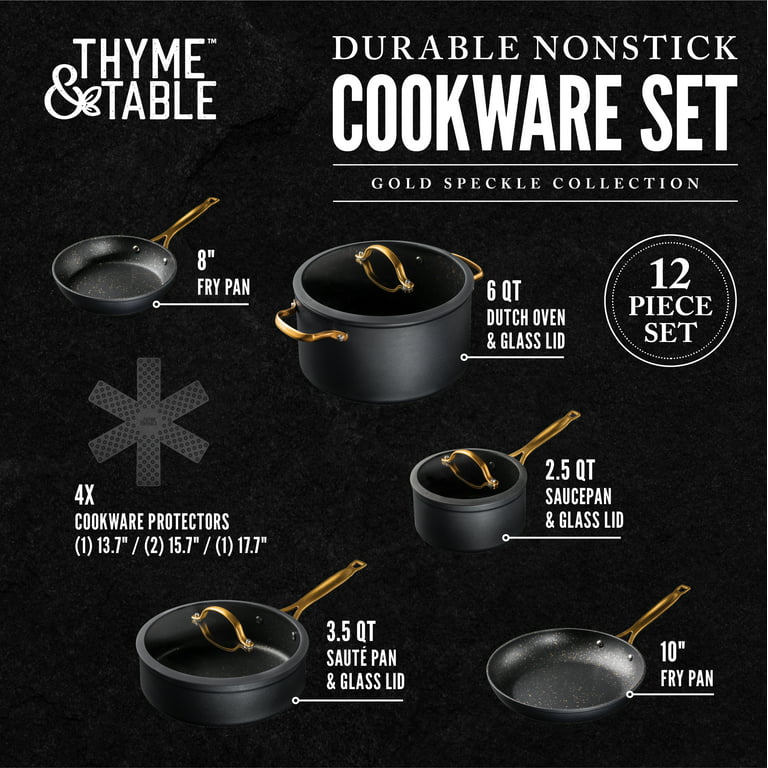
Credit: www.walmart.com
Material Composition
Thyme and Table cookware is crafted using durable materials like stainless steel, aluminum, and nonstick coatings. These components are designed for safe cooking and even heat distribution. Always check product details to ensure compatibility with your cooking methods and safety preferences.
### Material Composition
When choosing cookware, understanding its material composition is vital—not just for performance but also for safety. Thyme and Table cookware has gained popularity for its stylish designs and affordability, but is it safe? Let’s dive into the materials used, the coatings applied, and whether this cookware can stand the test of time.
###
Types Of Materials Used
Thyme and Table cookware commonly uses aluminum and stainless steel as their base materials. Aluminum is lightweight and an excellent heat conductor, making it ideal for quick, even cooking. Stainless steel, on the other hand, is durable and doesn’t react with acidic foods like tomatoes or vinegar.
Some pieces in their collection also feature a non-stick ceramic coating over the base material. This layer prevents food from sticking and makes cleaning easier. But is this combination safe for everyday use? Let’s unpack that.
###
Non-toxic Coatings Explained
The cookware’s non-stick coating is often ceramic-based, which is generally considered safer than traditional Teflon. Ceramic coatings don’t release harmful fumes at high temperatures, unlike older non-stick materials. That’s a big win if you’re someone who cooks at medium to high heat often.
However, it’s essential to check if the coating is free from PFAS, PFOA, and lead. Most Thyme and Table products claim to be free of these toxic substances, but you should verify the product label. A quick glance at the packaging or product website can go a long way in ensuring your cookware is truly safe.
###
Durability And Longevity
How long your cookware lasts depends heavily on the materials and how you care for it. Aluminum-based cookware tends to be less durable than stainless steel, especially if exposed to high heat or harsh detergents. On the flip side, stainless steel offers better longevity but may lack the non-stick convenience.
The ceramic coating can wear down over time, especially if you use metal utensils or stack the pans without protection. To extend its life, consider using silicone or wooden utensils and avoid abrasive sponges while cleaning. A little extra care can ensure your cookware stays safe and functional for years.
—
Understanding the material composition of Thyme and Table cookware allows you to make an informed decision. Are you prioritizing safety, ease of cleaning, or durability? Knowing what matters most to you will help you choose the right cookware for your kitchen.
Credit: www.tiktok.com
Safety Standards
When you shop for cookware, safety is a top priority. You want products that won’t just cook well but also protect your health and home. Thyme and Table cookware claims to meet modern safety expectations, but how can you be sure?
Compliance With Regulations
Thyme and Table cookware complies with safety regulations set by industry authorities. This means the materials used are free from harmful substances like lead and cadmium. These regulations ensure that your food remains uncontaminated while cooking.
Do you ever check labels for such compliance? It’s worth looking for certifications or statements about meeting FDA or EU standards. This guarantees peace of mind while you prepare meals for your family.
Certifications And Testing
Thyme and Table cookware undergoes rigorous testing before it hits the shelves. Independent labs often assess the durability, non-toxic coatings, and heat distribution of these products. Certifications, like NSF or ISO, validate their safety and quality.
Imagine using a pan with no certified testing—would you trust it with your food? Certifications provide that extra layer of assurance for buyers like you. It’s one way to know the cookware won’t release harmful chemicals even under high heat.
Heat Resistance Levels
One standout feature of Thyme and Table cookware is its heat resistance. Most pieces can handle temperatures up to 500°F, making them suitable for oven use. This is ideal for recipes that require both stovetop and oven cooking.
But here’s a thought: have you ever accidentally overheated your pan? With high heat resistance, these products offer added protection against warping or coating damage. This makes them safer and longer-lasting in your kitchen.
In the end, safety isn’t just about functionality; it’s about trust. Thyme and Table cookware checks important boxes for compliance, certifications, and heat resilience. Now, the question is—does your current cookware match up?
Health Concerns
Thyme and Table cookware is crafted with materials designed for everyday cooking. Non-toxic coatings ensure safe food preparation. Regular care and proper use help maintain its safety and durability over time.
### Health Concerns
When choosing cookware, your health should always come first. The materials and coatings used in pots and pans can directly affect the safety of your meals. Is Thyme and Table cookware safe for everyday use? Let’s dig into the specifics.
###
Chemical Leaching Risks
Some cookware materials, especially low-quality ones, can leach harmful chemicals into your food. This is often a concern with products made from poorly treated metals or subpar coatings. For example, aluminum cookware without a protective layer can release traces of aluminum into acidic dishes like tomato sauce.
With Thyme and Table cookware, it’s essential to check if the product is labeled as non-toxic and free from harmful chemicals like lead, cadmium, or PFAS. Always review the manufacturer’s claims and certifications. If you’re unsure, ask yourself: do you really want to risk your health for cookware that isn’t transparent about its materials?
###
Non-stick Coating Safety
Non-stick pans are a kitchen favorite, but their coatings can pose safety risks if they degrade. Traditional Teflon coatings, for instance, can release toxic fumes when overheated. While Thyme and Table cookware often boasts PFOA-free coatings, you’ll still want to avoid using metal utensils or exposing the pans to high heat, as these actions can damage the surface.
A practical tip: stick to medium or low heat and use silicone or wooden utensils. This not only extends the life of your pan but also ensures you’re not unintentionally adding harmful particles to your meals. Have you ever noticed scratches on your non-stick pan? That’s a red flag to replace it immediately.
###
Impact On Food Quality
The cookware you use doesn’t just affect safety—it impacts taste and texture too. Materials like cast iron or stainless steel can enhance the flavor of your dishes, while poorly-made non-stick pans might leave a chemical aftertaste. Thyme and Table cookware, if not properly maintained, could also contribute to uneven cooking or burnt spots.
Make sure to follow the care instructions provided. If your pan feels sticky or food starts sticking despite the coating, it may be time to reevaluate its quality. After all, do you want all your hard work in the kitchen to result in food that tastes “off”?
By paying attention to these health concerns, you can make smarter, safer choices for your kitchen. Cooking should nourish your body, not raise questions about what’s in your food.
User Experiences
When considering cookware, safety is often a top priority for home cooks. Thyme and Table cookware has gained popularity for its colorful designs and affordability, but how does it hold up in real kitchens? Let’s dive into user experiences and see what consumers have to say about its safety and performance.
Common Consumer Feedback
Many users praise Thyme and Table cookware for its stylish appearance and budget-friendly price. It’s often described as a great starter set for those who want functional cookware without breaking the bank. The non-stick coating is a standout feature, making cooking and cleaning easier for most users.
However, some consumers note that the cookware may show wear and tear after consistent use. Issues like scratches on the non-stick surface or discoloration of the pans can arise. These experiences are more common when users don’t follow care instructions, such as using metal utensils or high heat settings.
Does this mean the cookware isn’t worth it? Not necessarily. Many users feel the benefits outweigh the drawbacks, especially if you’re mindful of how you use and maintain it.
Reported Safety Issues
One of the most discussed safety concerns is the durability of the non-stick coating. Some users worry about it peeling or flaking, which could potentially mix with food. This often happens when pans are overheated or cleaned with abrasive materials.
Another concern is the handle design. A few users report that handles can get hot during cooking, which poses a burn risk if you’re not careful. Using a potholder or handle cover can easily address this issue.
While no widespread or severe safety issues have been reported, these minor concerns highlight the importance of following proper usage guidelines. After all, even the best cookware can become unsafe if misused.
Tips For Safe Usage
Want to make the most of your Thyme and Table cookware while keeping safety in check? Start by avoiding high heat settings. Non-stick coatings tend to degrade faster under extreme temperatures, so stick to medium or low heat for most cooking tasks.
Use silicone, wood, or plastic utensils to preserve the non-stick surface. Metal tools can scratch the coating, reducing its effectiveness and potentially causing it to peel. Gentle care during cooking goes a long way in extending the life of your cookware.
Finally, always let your pans cool down before washing. Sudden temperature changes, like rinsing a hot pan under cold water, can warp the material or damage the coating. A little patience can prevent unnecessary wear and tear.
Have you tried Thyme and Table cookware? If so, what has your experience been like? Share your tips and stories in the comments below – you might just help someone make a more informed choice!
Maintenance And Care
Proper maintenance and care help extend the life of Thyme and Table cookware. With the right techniques, you can keep your pots and pans in excellent condition. This ensures safe cooking and preserves their stylish appearance. Below, we’ll explore effective cleaning methods, ways to minimize wear, and storage tips.
Proper Cleaning Techniques
Always let the cookware cool before cleaning to avoid warping. Wash it using warm water, mild soap, and a soft sponge. Avoid abrasive scrubbers that can scratch the surface. For stubborn residue, soak the pan in soapy water for 15 minutes. Avoid using harsh chemicals or metal brushes, as they may damage the coating.
Preventing Wear And Tear
Use utensils made from silicone, wood, or nylon to avoid scratching the surface. Avoid cooking on high heat for extended periods to preserve the non-stick layer. Never stack cookware directly on top of each other without protection. Use protective pads or towels between stacked pieces to prevent scratches. Proper usage habits can significantly extend the life of your cookware.
Storage Recommendations
Store cookware in a dry area to prevent moisture damage or rust. Use wall hooks, pan racks, or drawer dividers for safe organization. Avoid overcrowding your storage space to reduce accidental damage. If stacking pots and pans, place a soft liner between them. This simple step prevents scratches and keeps the coating intact.
Alternatives To Consider
Thyme and Table cookware has gained popularity for its stylish design. But safety concerns may lead some users to explore other options. Choosing the right cookware can ensure both safe cooking and durability. Below are some alternatives worth considering for your kitchen.
Comparison With Similar Brands
Brands like T-fal and Cuisinart offer cookware with similar features. T-fal uses nonstick coatings designed for easy cleanup. Cuisinart focuses on stainless steel options, which resist scratches and maintain heat. Both brands prioritize safety by avoiding harmful chemicals like PFOA in their coatings.
Thyme and Table cookware is stylish but may not suit every preference. Comparing these brands can help you decide based on material, design, and safety features.
Pros And Cons Of Other Options
Stainless steel cookware lasts longer and is resistant to scratches. It works well for high-heat cooking but may stick without proper care. Nonstick cookware is beginner-friendly and easy to clean. It’s not ideal for high heat and may wear out faster.
Cast iron cookware provides excellent heat retention and adds flavor to dishes. It requires seasoning and proper care to avoid rust. Ceramic cookware offers a nonstick surface without chemicals but can chip over time.
Budget-friendly Choices
For those on a budget, brands like GreenLife and Farberware stand out. GreenLife provides ceramic cookware that is free from harmful coatings. Farberware offers affordable stainless steel and nonstick options suitable for daily use.
Budget-friendly choices can still offer safe and durable materials. Paying attention to product reviews ensures quality without overspending.

Credit: www.amazon.com
Frequently Asked Questions
Are Thyme And Table Pans Non-toxic?
Thyme and Table pans are designed to be non-toxic. They use PFOA-free and PTFE-free materials, ensuring safe cooking.
What Is The Number 1 Non Toxic Cookware?
The number 1 non-toxic cookware is cast iron. It’s chemical-free, durable, naturally non-stick, and safe for cooking.
What Is Thyme And Table Coated With?
Thyme and Table products are coated with durable, food-safe nonstick materials like ceramic or PTFE for easy cooking and cleaning.
Is Our Table Cookware Non-toxic?
Yes, our table cookware is completely non-toxic. It is made from safe, food-grade materials without harmful chemicals.
Conclusion
Thyme and Table cookware offers both style and functionality for your kitchen. Its materials are generally safe when used as directed. Always follow care instructions to maintain its quality and longevity. Choosing cookware depends on personal needs and cooking habits.
Researching product details ensures you make informed decisions. Safety should always remain a top priority while selecting kitchen tools. With proper use, this cookware can be a reliable addition to your home. Explore options, compare features, and pick what fits your lifestyle best.
Cooking becomes enjoyable when your tools are dependable and safe.