
Are Miyabi knives good? If you’ve been searching for the perfect kitchen companion, you’ve likely stumbled across this name.
But with so many options out there, how do you know if Miyabi knives are truly worth your investment? Whether you’re a seasoned chef or someone who simply loves cooking at home, the right knife can make all the difference.
Imagine effortlessly slicing through ingredients with precision, speed, and control—wouldn’t that make cooking more enjoyable for you? We’ll uncover everything you need to know about Miyabi knives, from their craftsmanship to their performance, so you can decide if they’re the missing piece in your kitchen. Keep reading—you won’t want to miss this.
Credit: cutleryandmore.com
History Of Miyabi Knives
The history of Miyabi knives reflects a blend of tradition and precision. These knives are a product of Japanese craftsmanship and German engineering. Their story begins with a dedication to creating superior kitchen tools. Each knife represents centuries of knowledge and innovation. Understanding their origins sheds light on their quality and performance.
How Miyabi Knives Originated
Miyabi knives were first crafted in Seki, Japan. This city is known as the heart of Japanese blade-making. For over 700 years, Seki artisans have perfected their skills. Miyabi inherited this legacy of creating razor-sharp blades. The brand combines this tradition with modern techniques for durability.
Partnership With Zwilling
Miyabi is a collaboration between Japan and Germany. It is owned by Zwilling J.A. Henckels, a German knife manufacturer. This partnership began to meet global demand for high-quality knives. Zwilling brought advanced technology, while Seki artisans contributed their expertise. This union resulted in knives with unmatched sharpness and balance.
Commitment To Traditional Craftsmanship
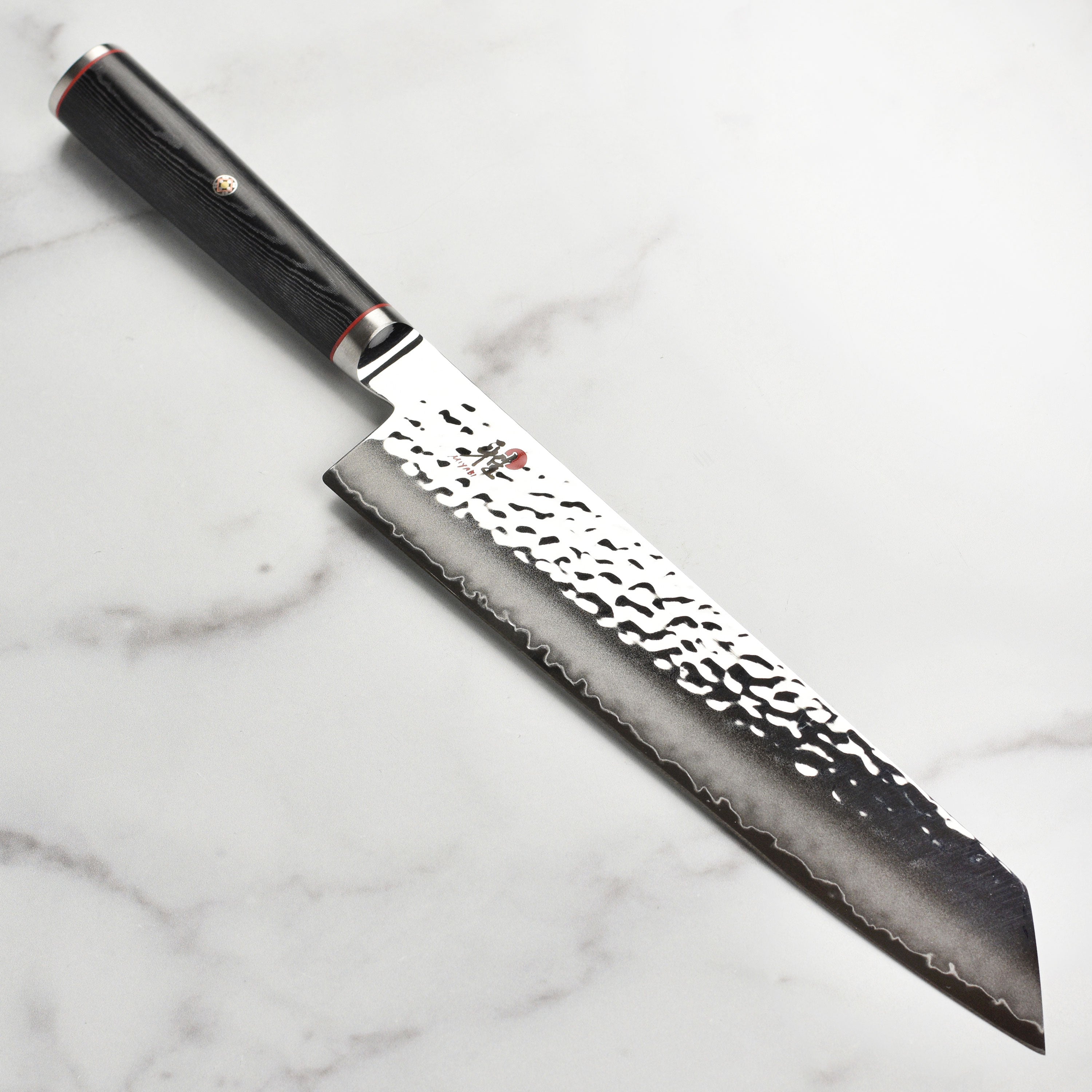
Miyabi knives honor traditional Japanese blade-making techniques. Each knife undergoes a meticulous process called Honbazuke. This involves hand-sharpening the blade in three stages. Traditional hammering patterns, or Tsuchime, are also used. These details highlight the artistry behind each knife.
Evolution Of Design
Over time, Miyabi knives have evolved in style and function. The brand blends Japanese aesthetics with ergonomic designs. Their handles are crafted for comfort and control. Different blade series cater to diverse cutting needs. This evolution ensures they remain versatile for chefs worldwide.
Global Recognition
Miyabi knives are now celebrated by chefs and home cooks alike. Their history and craftsmanship contribute to their worldwide appeal. They are praised for their sharpness, durability, and beauty. This global recognition solidifies their reputation as premium kitchen tools.
Materials Used In Crafting
Miyabi knives are admired for their precision and beauty. Their quality originates from the excellent materials used during crafting. Each component is carefully chosen to enhance durability, performance, and comfort. The combination of blade steel and handle materials ensures they stand out in the kitchen.
Blade Steel Composition
The blades of Miyabi knives are crafted using high-quality steel. Many models use premium stainless steel, ensuring resistance to rust and corrosion. Some knives feature layered steel, forming a Damascus-style pattern. This layering adds strength and a stunning visual appeal. Advanced techniques refine the steel for exceptional hardness and sharpness. As a result, Miyabi blades offer long-lasting edge retention and precision cutting.
Handle Materials
Miyabi knife handles are designed for comfort and style. Common materials include pakkawood and micarta. Pakkawood is a durable wood composite that resists moisture and warping. Micarta provides a smooth yet firm grip, ideal for long use. Some models feature natural wood handles for a luxurious feel. Each handle is shaped ergonomically to ensure balance and control. These thoughtful designs enhance usability while maintaining elegance.
Design And Aesthetics
Miyabi knives are well-known for their stunning design and craftsmanship. Their aesthetics are a blend of traditional Japanese artistry and modern innovation. These knives are more than just tools; they are works of art. The design reflects precision, elegance, and functionality, making them stand out in any kitchen.
Traditional Japanese Influence
Miyabi knives embrace traditional Japanese craftsmanship in their design. The blades often feature intricate Damascus patterns, inspired by ancient sword-making techniques. These patterns not only enhance the visual appeal but also symbolize strength and durability. The handles are shaped to mimic Japanese sword grips, ensuring comfort and control.
The use of natural materials like pakkawood or micarta adds to their authenticity. These materials are chosen for their beauty and resilience. Each knife carries a sense of heritage, rooted in Japanese culture and tradition.
Modern Enhancements
While honoring tradition, Miyabi knives incorporate modern elements for improved performance. Advanced steel technologies ensure sharper edges and longer blade life. The blades undergo unique hardening processes, enhancing their strength and resistance to wear. Visit Are Hexclad Knives Good: Unveiling Their True Quality.
The handles are ergonomically designed for a secure and comfortable grip. Sleek finishes and contemporary touches give the knives a modern flair. These enhancements make Miyabi knives both practical and visually appealing.
Sharpness And Edge Retention
Sharpness and edge retention are crucial factors when evaluating any knife. Miyabi knives have earned a reputation for their exceptional cutting performance. This section will explore their initial sharpness and how well they maintain their edge over time.
Initial Sharpness
Miyabi knives are known for their razor-sharp edges straight out of the box. They are crafted using traditional Japanese techniques, ensuring precision in every blade. The edges are honed to an angle of approximately 9 to 12 degrees. This results in an incredibly sharp cutting surface, perfect for precise slicing and chopping. Their sharpness allows for effortless cuts through even the toughest ingredients.
The blades undergo a meticulous sharpening process, often finished by hand. This attention to detail sets them apart from many other knife brands. Users often describe the sharpness as comparable to professional-grade tools.
Longevity Of The Edge
Miyabi knives are designed to retain their sharpness for an extended period. This is achieved through the use of high-quality steel in their construction. Many Miyabi knives feature a core made from powdered steel, which is harder and more durable than standard stainless steel. This hardness ensures the edge remains intact even with frequent use.
The blades are often treated with a special ice-hardening process, enhancing their durability. This process, known as Cryodur, strengthens the steel and boosts its edge retention. With proper care, the knives can maintain their sharpness for months without frequent sharpening.
Even after extended use, Miyabi knives tend to lose sharpness more slowly than other brands. This makes them an excellent choice for home cooks and professionals seeking reliable tools.
Durability And Maintenance
Miyabi knives are known for their exceptional craftsmanship and lasting performance. Durability and maintenance are key factors that determine their usability and lifespan. Proper care ensures these knives remain sharp and effective for years. Below, we explore resistance to wear and offer practical cleaning tips.
Resistance To Wear
Miyabi knives are crafted from high-quality materials like stainless steel. Their blades are hardened through processes such as ice-hardening. This boosts their resistance to wear and edge retention. The knives are less prone to chipping or dulling compared to regular kitchen knives. The durability of these blades makes them ideal for frequent use in any kitchen.
Handles are equally sturdy, often made of pakkawood or composite materials. These resist cracking and damage from moisture exposure. With proper use, Miyabi knives can remain in excellent condition for decades. Their resilience reflects the brand’s dedication to quality and precision.
Care And Cleaning Tips
Proper cleaning is crucial to maintain the sharpness and longevity of Miyabi knives. Wash them by hand using mild soap and warm water. Avoid harsh detergents or abrasive scrubbers to prevent damage to the blade. Dry the knives immediately with a soft cloth to avoid water spots or rust.
Store the knives in a designated holder or sheath to protect the blade edge. Avoid placing them in a drawer where they can collide with other utensils. Regular honing can help keep the edge sharp and ready for precision cutting. Follow these simple tips to keep your Miyabi knives performing at their best.
Credit: www.nothingbutknives.com
Performance In The Kitchen
Miyabi knives are celebrated for their stunning craftsmanship, but how do they truly perform in the kitchen? Whether you’re a home cook or a professional chef, you want tools that elevate your cooking experience. Let’s dissect how these knives handle real-world tasks and whether they live up to the hype.
Precision Cutting
Miyabi knives excel in precision cutting, thanks to their razor-sharp blades and ergonomic designs. The Japanese craftsmanship ensures a blade that slices through ingredients effortlessly, leaving clean, uniform cuts. This level of precision is perfect for tasks like finely chopping herbs, slicing sashimi, or dicing vegetables evenly.
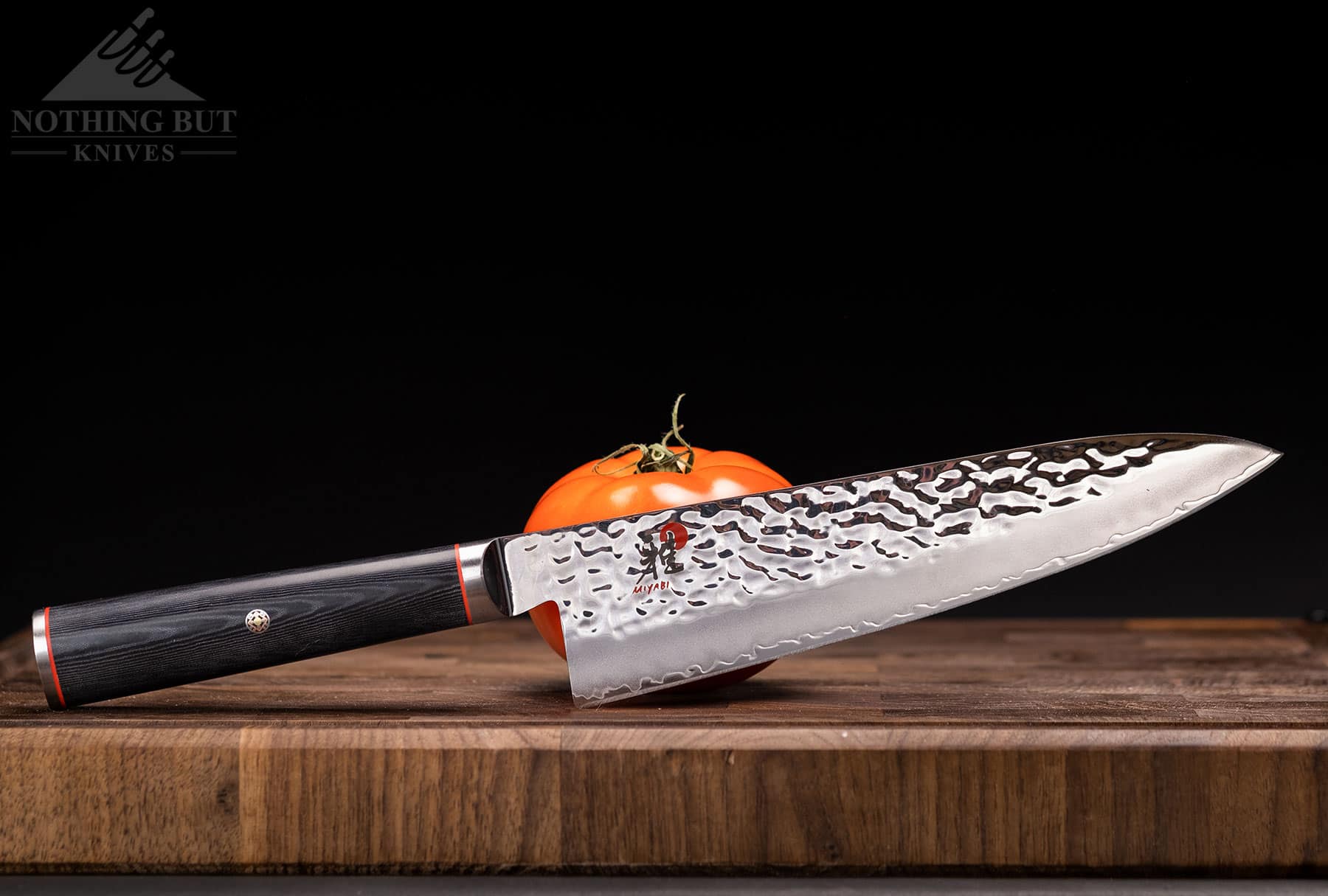
Have you ever struggled to julienne a carrot or paper-thin slice a tomato without crushing it? A Miyabi knife makes these tasks feel almost effortless. Its sharp edge lets you focus on technique rather than fighting your tools, making prep work faster and more enjoyable.
Versatility Across Ingredients
One standout feature of Miyabi knives is their versatility. They handle a wide range of ingredients, from soft, delicate fish fillets to tougher cuts of meat. You can use them for chopping, slicing, or even intricate carving tasks without needing to switch tools constantly.
For instance, a Miyabi chef’s knife transitions seamlessly from cutting delicate vegetables to breaking down a whole chicken. The balance and weight of the knife feel just right, reducing hand fatigue during longer prep sessions. This versatility makes it a worthwhile investment, especially if you want a tool that adapts to your cooking style.
So, are Miyabi knives good? If performance in the kitchen matters to you, they deliver precision and adaptability in spades. What’s your experience with kitchen knives—do you value precision or versatility more? Share your thoughts below!
Comparison With Other Brands
Price And Value For Money
Customer Feedback And Reviews
Customer feedback offers valuable insights into the quality of Miyabi knives. Reviews highlight real experiences, helping buyers understand their performance in everyday use. Let’s explore what users are saying about these knives.
What Customers Love About Miyabi Knives
Many users praise the sharpness of Miyabi knives. The blades cut smoothly through various ingredients. Home cooks and professionals alike admire their durability and edge retention. Customers also appreciate the elegant design and craftsmanship. The knives not only perform well but also look stunning in the kitchen.
Ease Of Use And Comfort
Users often mention the knives feel comfortable in their hands. The ergonomic handle design reduces strain during extended use. Lightweight construction makes slicing and chopping less tiring. These features make Miyabi knives suitable for beginners and experts alike.
Concerns And Drawbacks
Some customers mention the knives require proper care to maintain their quality. They note that improper cleaning can affect the blade’s sharpness. A few users find the price higher compared to other brands. Despite this, many agree the performance justifies the cost.
Overall Satisfaction
Most customers express high satisfaction with Miyabi knives. They appreciate the combination of functionality, durability, and aesthetics. Positive reviews outnumber complaints, reflecting the brand’s strong reputation.
Suitability For Different Users
Miyabi knives are known for their precision and craftsmanship. They cater to a variety of users with different skill levels and needs. Whether you’re a professional chef or a home cook, these knives offer distinct advantages. Let’s explore how they suit different types of users.
Professional Chefs
Professional chefs demand tools that deliver consistent performance. Miyabi knives are crafted with high-quality Japanese steel. This ensures sharpness and durability over long periods of use. The ergonomic design reduces hand fatigue during long prep sessions. Chefs also appreciate the blade’s ability to handle delicate ingredients with precision. It’s a reliable choice for professionals seeking top-tier performance.
Home Cooks
Home cooks often value ease of use and maintenance in their knives. Miyabi knives offer a perfect balance of sharpness and comfort. The handles are designed to fit comfortably in the hand, making them easy to control. Their sharp blades reduce effort during slicing, chopping, or dicing. With proper care, these knives retain their edge for a long time. This makes them a great investment for everyday cooking tasks.

Credit: cutleryandmore.com
Frequently Asked Questions
Which Japanese Knife Brand Is Best?
Shun, Global, and Miyabi are top Japanese knife brands known for exceptional quality, sharpness, and craftsmanship. Choose based on your needs.
Are Zwilling Miyabi Knives Good?
Yes, Zwilling Miyabi knives are excellent. They feature sharp blades, durable construction, and elegant Japanese craftsmanship. Perfect for precision cutting.
What Knives Does Gordon Ramsay Actually Use?
Gordon Ramsay uses high-quality knives like Wüsthof and Henckels. He prefers sharp, durable, and well-balanced chef’s knives for precision.
What Was Anthony Bourdain’s Best Knife?
Anthony Bourdain’s favorite knife was the Global G-2 Chef’s Knife. He praised its balance, durability, and versatility.
Conclusion
Miyabi knives offer a balance of beauty, precision, and durability. Their sharp blades and ergonomic handles make cooking easier and enjoyable. Crafted with high-quality materials, they are built to last. While they may cost more, their performance justifies the investment.
These knives suit both home cooks and professionals seeking reliable tools. Always consider your needs and budget before purchasing. Proper care ensures they stay sharp and effective for years. Overall, Miyabi knives deliver great value for those who appreciate quality craftsmanship.